
 Hamdi Saidani
 Mary Berry’s Elderflower Cordial is a concentrated, floral syrup that captures the sweet and delicate essence of early summer blossoms. Ideally the elderflower heads should be picked on a dry, sunny morning when the flowers are fully open and the pollen is at its most fragrant to ensure the deepest aromatic infusion.
Jump to RecipeMary Berry Elderflower Cordial Recipe Ingredients
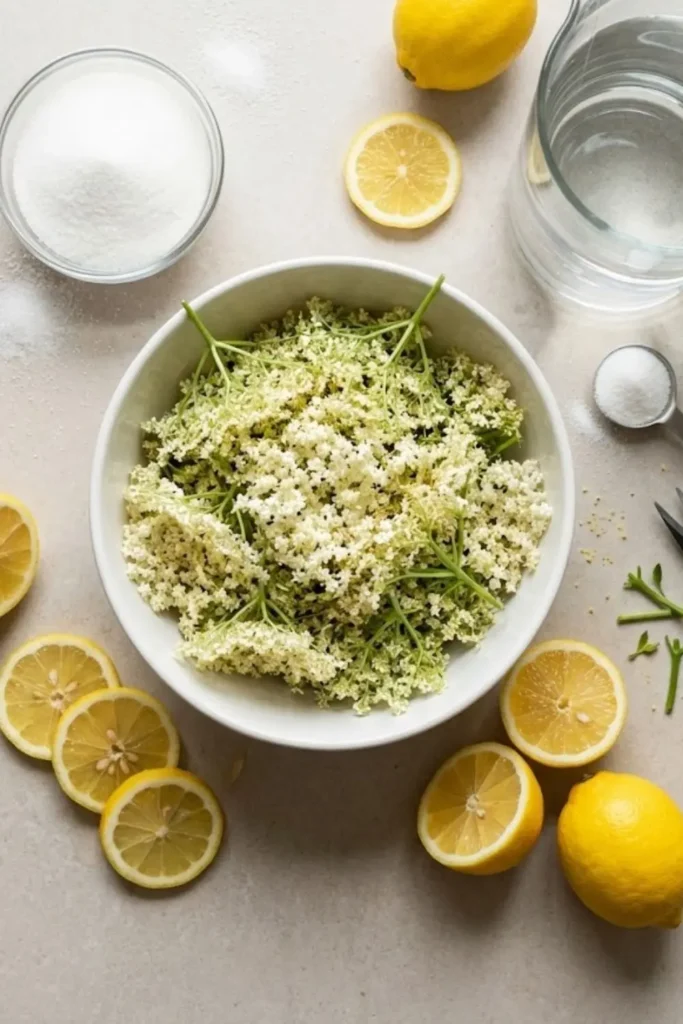
- Twenty-five to thirty large elderflower heads (shaken well to remove insects)
- One point eight kilograms (four pounds) granulated sugar
- One point two litres (two pints) water
- Two large lemons (organic or unwaxed is best)
- Fifty grams (two ounces) citric acid
How To Make Mary Berry Elderflower Cordial Recipe
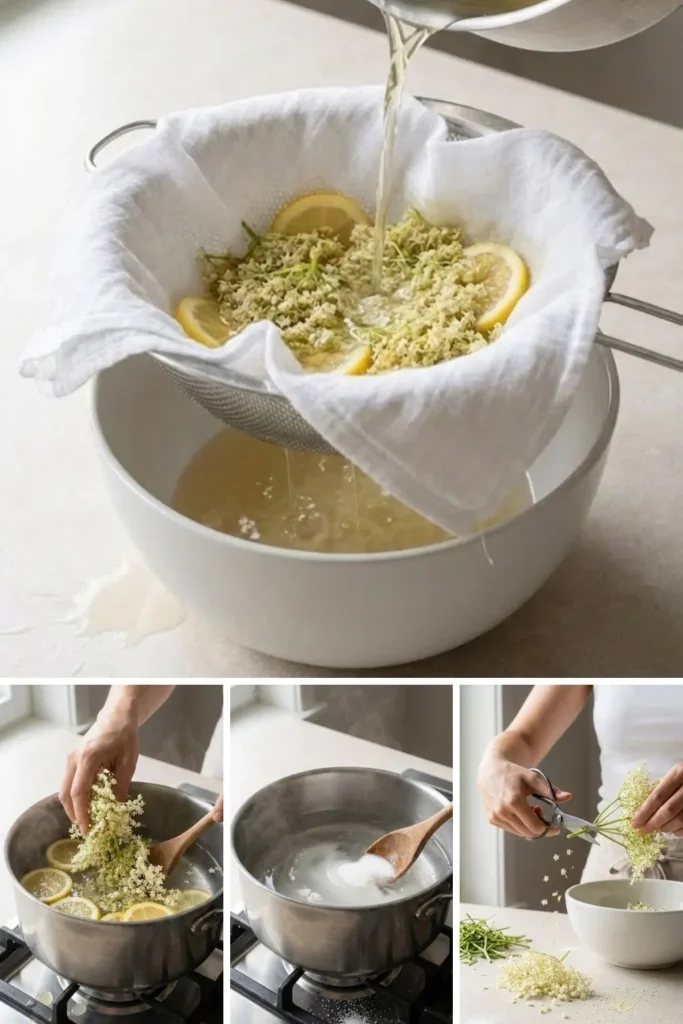
- Prepare the Flowers: Gently shake the elderflower heads to remove any small insects. Trim the green stalks as close to the flowers as possible using a pair of scissors; the green stems can impart a bitter flavor if left too long.
- Boil the Syrup: Place the granulated sugar and the water in a very large saucepan. Heat gently over a medium flame, stirring occasionally, until the sugar has completely dissolved. Once the liquid is clear, bring it to a rolling boil for about one minute.
- Combine Ingredients: Remove the saucepan from the heat. Carefully stir in the citric acid until it disappears. Add the elderflower heads and the sliced lemon rounds to the hot syrup, pushing them down with a wooden spoon so they are fully submerged.
- Infuse: Cover the saucepan with a clean cloth or a tight-fitting lid. Leave the mixture to steep at room temperature for at least twenty-four hours. This long resting period allows the syrup to pull every bit of flavor from the blossoms and the lemon zest.
- Strain: After the twenty-four hours have passed, line a large colander or sieve with a piece of fine muslin or a clean tea towel. Place the colander over a large bowl and pour the liquid through. Do not squeeze the flowers, as this can make the cordial look cloudy.
- Bottle: Use a funnel to pour the clear, golden cordial into sterilized glass bottles. Ensure the lids are tightly sealed.
Recipe Tips
- Flower Quality: Only use elderflowers that are creamy-white and smell of honey. If the flowers have started to turn brown, they will have a sickly, unpleasant scent that will ruin the delicate syrup.
- Cleaning Technique: Never wash the elderflowers under a tap. Water washes away the flavorful pollen, which is where the majority of the scent and taste reside. A gentle shake is all they need.
- Citric Acid Secret: Citric acid is the secret to a professional-tasting cordial. It provides the necessary “zing” to balance the heavy sugar and acts as a natural preservative, allowing the bottles to last much longer.
- Avoid Bitter Notes: When slicing the lemons, ensure you are using the whole fruit including the zest. However, do not leave the cordial to steep for more than forty-eight hours, or the pith of the lemon may begin to make the syrup bitter.
What To Serve With Mary Berry Elderflower Cordial
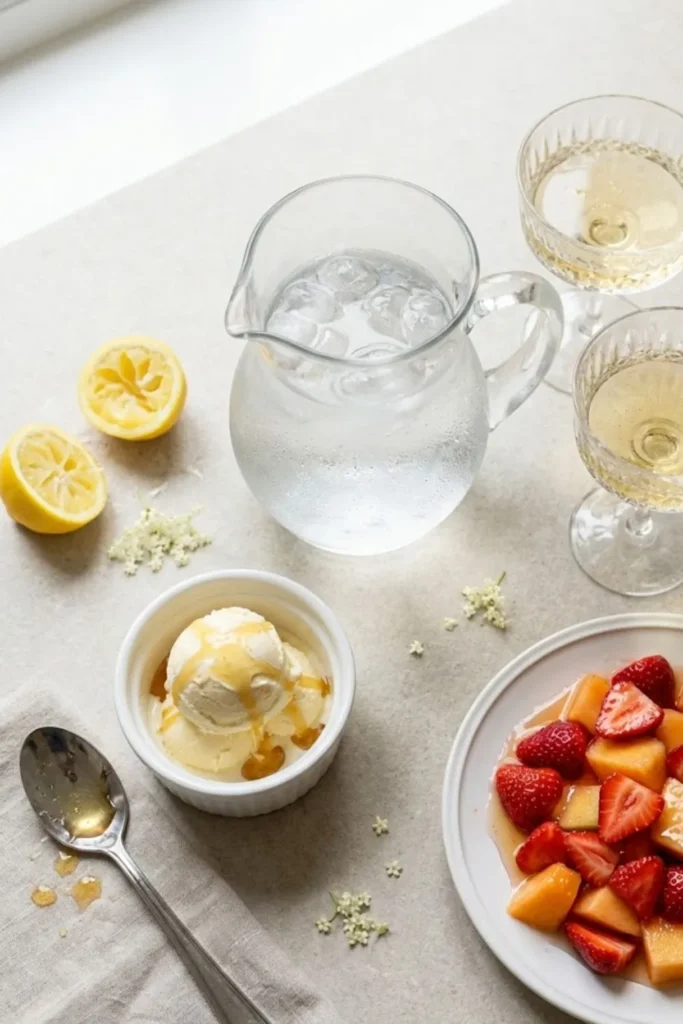
Cordial accompaniments are light, refreshing additions frequently served during garden parties or afternoon tea. Ideally the sparkling water should be ice-cold and poured slowly to maintain the carbonation while mixing with the sweet floral syrup.
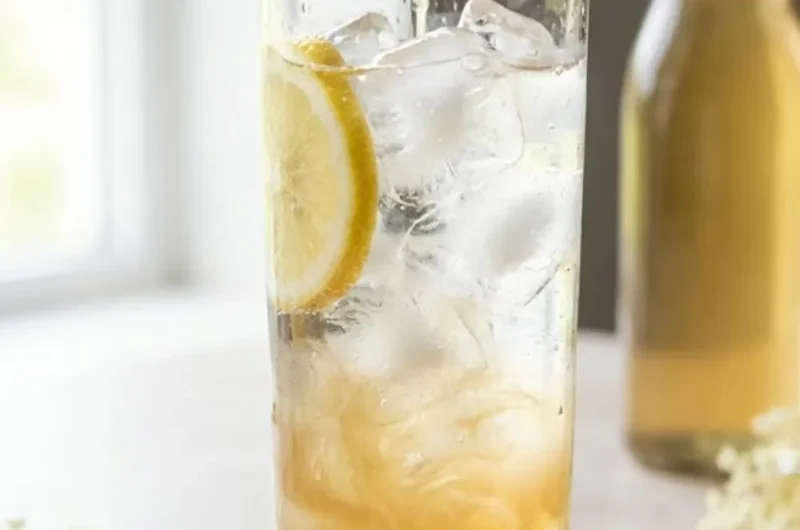
- Chilled sparkling water or club soda
- A splash of Prosecco or Gin for a summer cocktail
- Drizzled over fresh fruit salad or vanilla ice cream
- Added to a Mary Berry Fruit Cake for a floral moisture boost
How To Store Mary Berry Elderflower Cordial
- Refrigerate: Once bottled, store the cordial in the refrigerator. It will stay fresh and flavorful for up to six weeks.
- Sterilization: For long-term storage (up to several months), ensures your bottles are sterilized in a hot oven or dishwasher before filling.
- Freeze: If you have a large harvest, you can freeze the cordial in plastic bottles or ice cube trays. Leave a little space at the top of the bottle for expansion. Frozen cordial lasts for up to one year.
Mary Berry Elderflower Cordial Nutrition Facts
- Calories: 45 kcal (per 25ml serving)
- Carbohydrates: 11g
- Protein: 0g
- Fat: 0g
- Fiber: 0g
- Sugar: 11g
Nutrition information is estimated per serving based on a diluted ratio of one part cordial to five parts water.
FAQs
Where do I buy citric acid?
Citric acid is usually available in the baking aisle of large supermarkets, at local pharmacies, or from home-brew specialty shops. It is a natural ingredient used for preserving and flavor balancing.
Can I use honey instead of sugar?
While you can use honey, it will significantly change the flavor and color of the cordial. Mary Berry’s original recipe uses white sugar to ensure the clear, bright floral notes of the elderflower remain the star of the show.
Why is my cordial cloudy?
Cloudiness usually happens if you squeeze the muslin cloth too hard during the straining process. If you want a crystal-clear syrup, let it drip through the cloth naturally using only the weight of gravity.
Try More Recipes:
- Mary Berry Pecan Pie Recipe
- Mary Berry Banana Chocolate Chip Muffins Recipe
- Mary Berry Lemon And Blueberry Muffins Recipe
Mary Berry Elderflower Cordial Recipe
Course: Side DishCuisine: SimmeringDifficulty: Easy1
servings50
hours15
minutes5
minutes45
kcalA traditional, clear floral concentrate made from fresh wild elderflowers, lemon, and a zesty citric acid kick.
Ingredients
25–30 elderflower heads
1.8 kg granulated sugar
1.2 litres water
2 lemons, sliced
50g citric acid
Directions
- Dissolve sugar in water over heat; bring to a boil for 1 minute.
- Off heat, stir in citric acid until dissolved.
- Add flowers and sliced lemons; submerge them in the syrup.
- Cover and steep for 24 hours at room temperature.
- Strain through a muslin-lined sieve into a clean bowl.
- Bottle in sterilized containers and store in the fridge.
Notes
- Dilute with sparkling water or use as a base for summer punches.
- Ensure you pick flowers away from busy roads to avoid pollution.
- The cordial makes an excellent gift when bottled in decorative glass jars.